Finding the right title depends on the kind of romance you want next. Christina Hobbs and Lauren Billings write under the pen name Christina Lauren, forming an author duo known for humor, emotional characters, and inventive premises.
These romance novels offer different experiences, from the lighter The Unhoneymooners and Josh and Hazel's Guide to Not Dating to the second-chance Love and Other Words, distinctive Roomies, and young adult standalone Autoboyography.
If you're comparing these romance novels with other picks, this guide to romance subgenres can help you choose by mood and trope.
Start with the first selection below, then find the title that best matches your reading style.
Choosing the right titles isn't only about popularity. The strongest picks should show what makes Christina Hobbs and Lauren Billings such effective writing partners: sharp character chemistry, emotional stakes, memorable setups, and variety for different romance readers.
We compared the selected romance novels by character chemistry, emotional impact, originality, accessibility, reader appeal, and lasting relevance through 2026. That approach matters because the right choice depends on each reader's preferences. Some want a funny fake-dating story, while others prefer a second-chance romance with more emotional weight.
Romance depends on the relationship at the center of the story. For this list, we considered whether each couple had a believable connection, engaging banter, and enough conflict to keep the relationship moving.
The authors' best pairings don't rely on attraction alone. The characters challenge each other, reveal personal vulnerabilities, and change as the story progresses. That balance helps the romance feel earned instead of rushed.
We also considered how distinct the characters feel. Hazel in Josh and Hazel's Guide to Not Dating brings chaotic, highly individual energy, while The Unhoneymooners emphasizes forced proximity and comic tension. Love and Other Words focuses more on memory, loss, and unresolved feelings. These differences create varied reading experiences for a broad audience.
The authors write funny romance, but their books aren't limited to jokes and lighthearted situations. Humor often sits beside grief, family pressure, career decisions, self-discovery, or the fear of losing someone important.
Each selection needed to offer more than a clever premise. We looked for books with emotional scenes that stay with readers after the jokes end. At the same time, the list avoids choosing five books with the same tone.
That balance is one reason readers can start with a beginner's guide to romance novels, identify the style they enjoy, and then choose a story that fits it best. Comparing romance novels by tone also helps readers find the right emotional experience.
Standalone books are useful entry points because you can begin with a complete story without learning a large cast or reading several earlier installments. That makes titles such as The Unhoneymooners, Roomies, and My Favorite Half-Night Stand accessible to new readers.
The authors also write connected books, including Beautiful Bastard and the Wild Seasons series. These stories offer recurring characters, shared settings, and longer reading paths, but they require more attention to reading order. Readers who enjoy one standalone can explore those series afterward.
Christina Hobbs and Lauren Billings publish together under the pen name Christina Lauren. Their catalog includes more than 30 books across adult and young adult fiction, with work available to readers in many languages. Their official book catalog shows the range of series, standalones, and young adult titles available to explore.
A book can be popular when it first releases and still lose its appeal over time. We looked for titles with premises that remain easy to understand, memorable characters, and emotional conflicts that don't depend on a passing trend.
The authors have written New York Times bestselling titles, and their work has also received recognition through Goodreads Choice Awards listings. That reader attention supports the lasting appeal of several selections without making popularity the only measure.
Reader appeal also means accessibility. These recommendations include different levels of humor, intimacy, emotional intensity, and romantic tension, so the list can help longtime fans and readers discovering the duo for the first time.
There isn't one universal winner. This list balances funny romance, emotional relationship drama, contemporary fiction, and young adult storytelling, so you can choose based on the experience you want next.
The best Christina Lauren books offer different reading experiences, so your ideal starting point depends on your preferred romance style. These five romance novels cover enemies-to-lovers tension, second chances, friendship, science-inspired matchmaking, and reality-TV romance. If you want more trope-based recommendations after this list, explore these fake dating romance books.
Published in 2019, The Unhoneymooners is a standalone contemporary romantic comedy with a fast, funny setup. It's a strong entry point for readers who enjoy enemies-to-lovers tension and plenty of comic conflict.
Olive Torres and Ethan Thomas already dislike each other when a wedding disaster changes their plans. After nearly everyone at the wedding becomes sick from food poisoning, Olive takes her twin sister's honeymoon trip with Ethan, the one person she hoped to avoid. A luxury vacation in Hawaii becomes a forced-proximity test neither of them can escape.
The tropical setting gives the story a bright, escapist feel. The contrast between Olive's unlucky outlook and Ethan's controlled personality keeps the banter moving. Their arguments are easy to follow, and the short chapters help the book maintain its pace.
Readers who enjoy workplace friction, vacation romance, and gradual changes in attraction will likely find this a satisfying first choice. Its limitation is tonal: anyone seeking a serious, intensely emotional romance may prefer Love and Other Words instead.
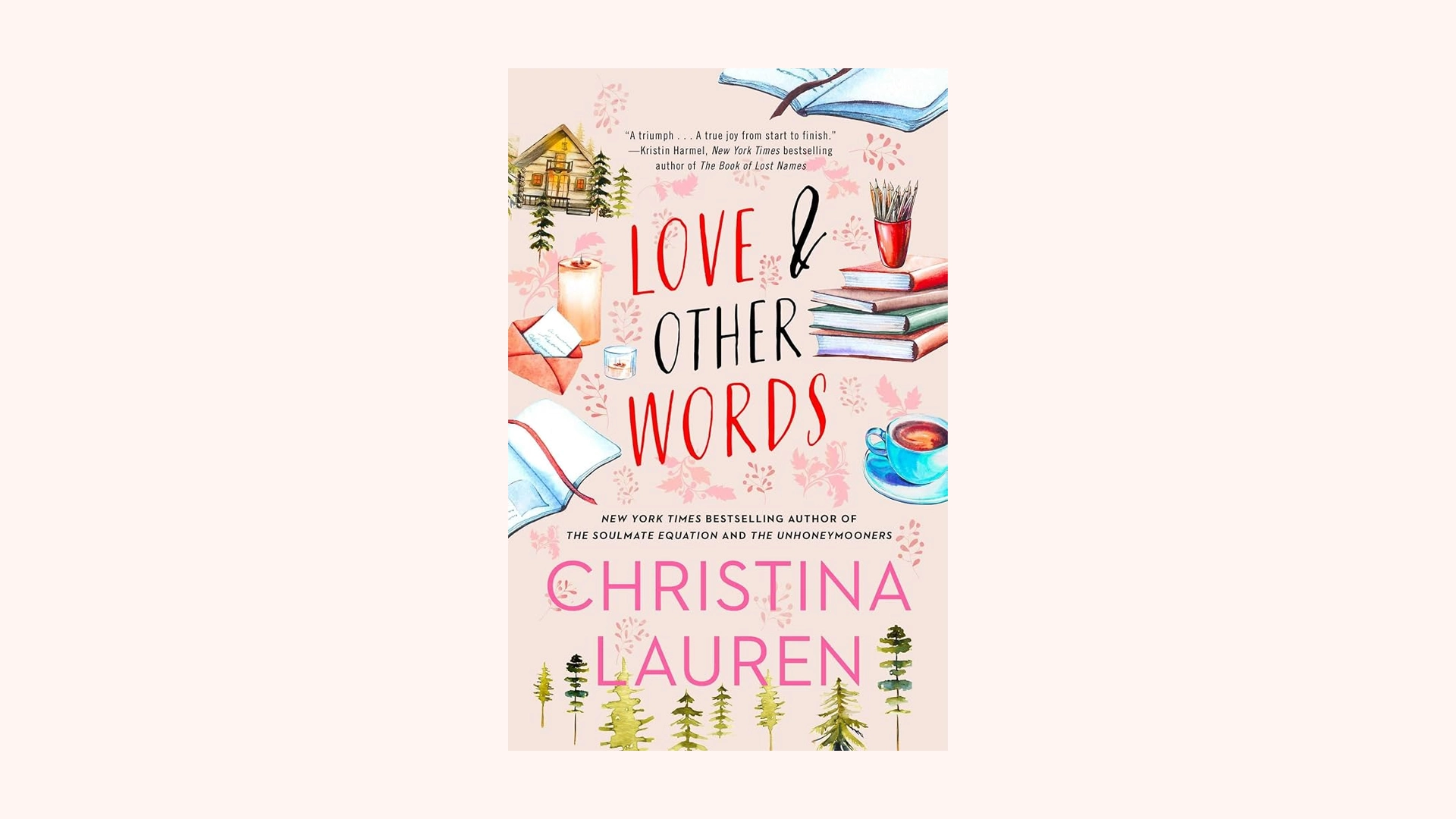
Published in 2018, Love and Other Words is a standalone second-chance romance for readers who want more emotional weight. The story follows childhood friends whose connection changes over time, then returns to their unresolved history as adults.
The narrative moves between the characters' earlier relationship and their present-day reunion. That structure builds nostalgia without revealing why they separated, so the emotional stakes develop through memory, distance, and carefully shared details.
This is a more serious choice than Christina Lauren's broad romantic comedies. Its appeal comes from the slow accumulation of feelings, familiar places, and moments that take on new meaning as the characters grow older. Readers who enjoy childhood friends, lost time, and complicated reunions should place it near the top of their list.
The main content note is its heavier emotional tone. If you want a purely playful romance with constant jokes and low emotional risk, this may not be the best first choice.
Published in 2018, Josh and Hazel's Guide to Not Dating is a standalone opposites-attract romantic comedy built around friendship and unusual double dates. Josh and Hazel create a plan to date other people together, pairing themselves with new partners for a series of unconventional outings.
The arrangement sounds practical until their friendship starts complicating the rules. Hazel's bold, unpredictable personality drives much of the comedy, while Josh brings a steadier presence that makes their differences especially entertaining.
This friendship-centered recommendation suits readers who prefer character-driven romance over elaborate plot mechanics. The dates create memorable situations, but the central appeal is watching two people understand what their friendship has been hiding.
Hazel's extreme behavior won't work for every reader. Her energy is intentionally exaggerated, so readers who prefer restrained humor or more realistic characters may find the comedy excessive.
Published in 2021, The Soulmate Equation is the high-concept selection among these recommendations. It follows Jess Davis, a single mother who tries a DNA-based matchmaking service and receives an unexpected match connected to the company's founder.
The fictional system creates the central question: can data predict a lasting relationship, or does attraction require choices that no algorithm can make? The book uses that premise to explore trust, family responsibilities, and the difference between a promising result and a real connection.
Readers who enjoy contemporary romance with a science or technology hook will find an accessible entry point here. The matchmaking service adds structure without turning the story into science fiction, and the family elements keep the romance grounded.
Those who prefer a traditional low-concept romance may find the premise distracting. The DNA matching system is a fictional story device, not a realistic model of how romantic compatibility works.
Published in 2023, The True Love Experiment is a contemporary romance for readers who enjoy romance writers, reality-TV-style setups, and relationships tested in public. The story centers on a romance author and a documentary producer working on an experiment designed to find love.
The premise gives Christina Lauren room to examine how romance is created, packaged, and performed for an audience. As the relationship develops under public pressure, the characters must separate genuine connection from the version of love that makes the best television.
Although it can be read independently, this book is linked to the same fictional world as the science-based matchmaking story above. Its main appeal is the self-aware approach to romance storytelling. It offers entertainment, relationship tension, and questions about whether a scripted environment can produce unscripted feelings.
This is the best fit for readers who enjoy media-centered romance and public relationship drama. Those seeking quieter, more private romance novels may prefer one of the other recommendations on this list.
The best recommendations offer different entry points, so there isn't one correct reading order. The right choice depends on whether you want vacation escapism, emotional history, unusual humor, a modern matchmaking premise, or a romance shaped by television.
These romance novels are easy to compare by mood and trope. Four work well as standalone starting points, while the final selection connects to another story and makes more sense after reading it. If you want more help matching a romance to your preferred mood, these romance book recommendations for every mood can help you find more romance novels.
Choose this romance if you want the most accessible romantic comedy on this list. Olive Torres and Ethan Thomas dislike each other before a wedding disaster sends them on a Hawaiian honeymoon together. Forced proximity turns their arguments into attraction while the tropical setting keeps the story bright and escapist.
The romance has a clear enemies-to-lovers structure, with plenty of banter and situational comedy. It also gives new readers a quick sense of Christina Lauren's strengths: strong chemistry, an easy-to-follow premise, and emotional conflict underneath the humor. The official book page for The Unhoneymooners provides the publisher's description and publication details.
This is the strongest first choice when you want a fun vacation read. Readers who prefer serious emotional drama may connect more with the next recommendation.
Love and Other Words is the better starting point when you want a romance shaped by memory, separation, and unfinished feelings. Macy and Elliot begin as childhood friends, and the story follows their connection across different periods of their lives.
The alternating timeline adds emotional weight because the past explains what the present-day characters cannot easily say. Instead of relying on a flashy setup, the book builds its impact through shared history, personal loss, and the question of whether love can survive years of silence.
This romance has a more serious tone than the previous recommendation. Choose it when you want a slower emotional return rather than constant comic situations.
Readers who prefer friendship, opposites-attract tension, and exaggerated comedy should begin with Josh and Hazel's Guide to Not Dating. Hazel's unpredictable personality drives many of the book's funniest moments, while Josh provides a steadier contrast.
Their plan to date other people together creates a series of unusual double dates. The real story, however, is the friendship beneath the arrangement. As Josh and Hazel spend more time together, their rules become harder to maintain.
This friendship-based comedy works best when you enjoy bold personalities and humor that sometimes becomes deliberately chaotic. The publisher describes it as a romance about two people who insist they aren't dating, even as their connection makes that claim less convincing. You can find the publisher information for the book through Simon & Schuster.
The Soulmate Equation is the best match for readers who want contemporary romance with a science-inspired premise. Jess Davis receives an unusually high match through a DNA-based dating service, connecting her to the company's founder.
The matchmaking system gives the romance a clear central question: can a score predict a lasting relationship, or do trust and choice matter more? Jess's responsibilities as a single mother keep the story grounded, so the technology never replaces the personal stakes.
Start here if you enjoy modern dating, family responsibilities, and romance built around a strong hook. The follow-up takes place in the same fictional world, so this reading order creates the smoother experience.
The True Love Experiment suits readers who enjoy romance authors, public relationships, and reality-show production. The story places a romance writer and a documentary producer inside an experiment designed to create a compelling love story for an audience.
That setup allows the book to question the difference between performed romance and genuine connection. The characters must decide whether their feelings are real or simply useful to the show around them.
Although it can attract new readers on its own, this is not the cleanest first choice because it connects to the previous story. Choose it afterward if you want the full DNA Duo reading experience. Otherwise, start with the first recommendation for the most direct introduction to the authors' romantic comedy style.
The strongest recommendations share more than a romantic pairing and a happy ending. Christina Hobbs and Lauren Billings, the author duo behind these stories, understand how humor, vulnerability, chemistry, and pressure work together. Their books are easy to start, but the strongest moments come when characters question what they expected love to look like.
These funny romance stories work because the characters have distinct personalities, not because every scene depends on a joke. Hazel's chaotic confidence, Olive's bad-luck outlook, and the awkward energy in several relationship setups give each story its own tone.
That humor also creates room for more serious material. A character can be entertaining while dealing with grief, family expectations, insecurity, or the fear of rejection. The shift from a funny scene to a vulnerable one feels natural because readers already know the characters.
Readers won't respond to every comedic style in the same way. Some may enjoy Hazel's exaggerated behavior, while others may prefer the quieter tension in the more emotionally restrained second-chance title. That range is useful when comparing romantic comedy books by tone, character style, and emotional intensity.
The romantic tension in these stories rarely depends on attraction alone. The couples disagree, misunderstand each other, or enter relationships with expectations that don't match reality. Those obstacles give the romance somewhere to go.
Each lead also has a recognizable voice. Their dialogue reveals personality, while their choices show what they fear losing. That combination keeps the central relationship active, even when the premise does much of the early work.
The settings add pressure as well. A tropical vacation forces Olive and Ethan into close contact. A dating experiment places private feelings in a public environment. A matchmaking service turns compatibility into a question the characters must answer for themselves. These settings work like a pressure cooker, bringing hidden feelings to the surface faster than ordinary circumstances might.
The five selections connect romance to issues that feel familiar to contemporary romance novels:
The recurring question is simple: what happens when real love refuses to follow the plan? A character may trust a compatibility score, a television format, a vacation arrangement, or a long-held idea about the perfect relationship. The story becomes more interesting when those expectations stop working.
That balance explains why these stories appeal to different readers without feeling identical. One reader may want quick banter and forced proximity. Another may prefer memory, loss, and a second chance. The writing partners provide both experiences while keeping the emotional stakes clear.
The contemporary standalones are especially accessible because each one introduces a new couple, conflict, and setting. You can read The Unhoneymooners, Love and Other Words, or The Soulmate Equation without learning an extended family tree first. That makes them practical entry points for new readers.
The earlier Beautiful Bastard and Wild Seasons series offer a more interconnected experience. Recurring characters and shared relationships create continuity across multiple novels, so readers who enjoy a longer reading path may prefer those series.
The difference is important. Standalones focus attention on one complete emotional arc, while interconnected books reward readers who want familiar characters to return. Neither format is automatically better. Your choice depends on whether you want a self-contained romance novel or a broader fictional community that continues across books.
Once you finish the five titles above, your next choice should depend on the reading experience you want to repeat. You might want a destination romance, emotional second chance, or high-concept relationship story. The authors' catalog offers several paths into contemporary romance, romantic comedy, slow-burn tension, and recent bestselling fiction.
The duo's newer standalones are the most natural next step. The Paradise Problem, In a Holidaze, and The Exception to the Rule expand the recent catalog without requiring you to follow a long series order. As a New York Times bestselling writing team, Christina Lauren also offers plenty of earlier titles to explore.
The Paradise Problem is a strong option if you enjoyed the bright setting, relationship complications, and opposites-attract energy in The Unhoneymooners. It also includes a fake-dating setup, making it a practical choice for another romance built around forced closeness and changing expectations.
In a Holidaze gives readers an accessible standalone with a more unusual, escapist premise. It works well when you want a fresh story without committing to a connected series.
Tangled Up in You gives readers another recent standalone to consider after finishing the five titles above. It works well for anyone who wants a fresh premise without starting a longer reading order.
The Exception to the Rule is another useful pick when you want to stay with the authors' contemporary romance style. Choose it when you want a newer title and prefer discovering the central conflict without relying on a familiar adaptation or previously read storyline.
Readers who prefer friendship-based romance can try My Favorite Half-Night Stand. Its relationship develops from an established connection, creating a different kind of tension from the duo's fake-dating stories.
The Romance Revival is listed for July 14, 2026, and is the newest title in the current reading path. Its science-fiction element gives the authors' usual escapist romance style a different direction. Readers who liked the matchmaking concept in The Soulmate Equation may want to place it near the top of their list.
You don't have to read every title next. Readers seeking an unusual, escapist premise can choose In a Holidaze. Start with the trope or tone that kept you turning pages in these romance novels.
Readers who enjoyed the playful setup in The Unhoneymooners or the friendship-centered story above may want another funny standalone. The Paradise Problem offers a bright setting, romantic complications, and the same easy escapism. Lauren Landish's French Kiss romantic comedy offers another contemporary romance with a Paris setting, workplace pressure, and a standalone happily-ever-after.
If fake dating was your favorite part of these stories, Never Marry Your Brother's Best Friend provides another humorous forced-proximity option. Its setup shifts the relationship into a fake marriage, so it fits readers who enjoy romantic tension built around a public arrangement.
A single author can introduce you to a favorite trope, but it doesn't have to determine your entire reading list. Once you know whether you prefer humor, emotional history, slow-burn chemistry, or a high-concept premise, you can compare romance novels by reading experience instead of author name alone.
For a wider selection of current popular titles, browse these bestselling romance books. The list includes contemporary romance, romantic comedy, slow-burn relationships, and other popular directions, so you can move naturally from one mood to another.
You can also find more romance books when you want recommendations beyond Christina Lauren. Start with the trope that appealed to you most, then choose a new book that changes the setting or emotional intensity without losing the relationship dynamic you already enjoy.
Start with The Unhoneymooners if you want an accessible romantic comedy with enemies-to-lovers tension, forced proximity, and a tropical setting. Choose Love and Other Words instead if you prefer a more emotional second-chance romance.
Josh and Hazel's Guide to Not Dating is the strongest choice for exaggerated humor, unusual double dates, and a friendship-based romance. Hazel's bold personality gives the story a deliberately chaotic energy that may not suit readers who prefer restrained comedy.
Yes. The True Love Experiment is connected to The Soulmate Equation through the same fictional world, so reading The Soulmate Equation first creates the smoothest experience.
The five recommendations include several standalones, making them easy entry points for new readers. Christina Lauren also writes connected books and series, including Beautiful Bastard and Wild Seasons, which offer a longer reading path.
The Soulmate Equation centers on a DNA-based matchmaking service and asks whether compatibility data can predict lasting love. It is a good fit for readers who enjoy contemporary romance with technology, family responsibilities, and a high-concept hook.
The best Christina Lauren books offer distinct ways to experience contemporary romance. The Unhoneymooners is a breezy romantic comedy for readers who enjoy travel, banter, and forced proximity. Love and Other Words is the emotional choice, focusing on memory, separation, and second chances.
Josh and Hazel's Guide to Not Dating suits readers who prefer quirky humor and friendship-based chemistry. The Soulmate Equation is the high-concept option, using modern matchmaking to explore compatibility, trust, and personal choice. The True Love Experiment fits readers who enjoy public relationships and romance shaped by media.
Together, these romance novels offer several distinct ways to choose your next read. Start with the mood and tropes you enjoy most when choosing among romance novels. Once you find a Christina Lauren book that matches your reading style, the duo's wider catalog offers more connected series, standalones, and young adult fiction to explore.