The romance genre is built on two basic elements that have remained consistent for centuries: a central love story driving the plot forward, and an emotionally satisfying, optimistic ending that leaves readers feeling hopeful.
Beyond those essentials, romance fiction splinters into dozens of romance sub genres, each offering a different flavor of escapism, emotional intensity, and storytelling style.
Whether you gravitate toward the gentle warmth of cozy romance, the atmospheric dread of gothic romance, or the adrenaline of romantic suspense, understanding the different sub genres helps you find exactly the right romance books for your current mood.
This guide walks through the major types of romance novels, from familiar categories like contemporary romance and historical romance to specialized niches like billionaire romance and military romance.
Subgenres of romance include Contemporary, Historical, Romantic Comedy, and others.
According to the Romance Writers of America definition, every romance story must center on a romantic relationship and deliver a happy ending or a "happy for now." That definition has held steady even as the genre has exploded in scale. U.S. print romance sales more than doubled from about 18 million copies in 2020 to roughly 39 million in 2023, and romance titles dominated Publishers Weekly's bestseller lists through 2024.
These are the "anchor" categories that most readers encounter first. Think of them as the foundation that other subgenres build on, blend with, or react against.
Contemporary romance is the most popular romance subgenre by market share.
Set after the 1970s, it focuses on modern problems and themes, from career pressure and online dating to blended families and cultural identity.
Characters in contemporary romance are typically over 18 years old, and the stories usually emphasize realistic romantic development grounded in recognizable, present-day settings.
Historical romance is set in a time before 1950 and requires rigorous research for accurate settings, language, and social customs. Common settings include medieval Europe and the 19th century, though stories span from ancient Rome to the Scottish Highlands and beyond.
Regency romance is a popular sub-category of historical romance, drawing on the social strictures and ballroom culture of early 1800s England.
Authors like Jane Austen laid the groundwork for what readers now expect from time periods rich in class tension and constrained courtship. Historical romance often features non-explicit relationships, though this varies by author and imprint.
Romantic comedy blends humor with romantic plots, making the laughs just as important as the love story. These stories typically have a light-hearted tone and often feature comedic obstacles to love.
Romantic comedies can include tropes like enemies to lovers, fake dating, and mistaken identity. The Unhoneymooners is a popular romantic comedy novel that showcases the genre's signature wit.
Young adult romance focuses on teenage protagonists and their coming-of-age experiences. YA romance features characters aged 13 to 18, with typical themes including first love and social issues.
The tone is often lighter than adult romances, common settings include high schools and teen social environments, and YA romance often ends with a Happily-Ever-After.
For a deeper look at how these categories break down, Romance.io's genre guide offers an excellent curated overview.

Contemporary romance captures the rhythms of modern life.
Characters text, swipe through dating apps, juggle demanding careers, and navigate the kind of relationship dynamics that feel instantly familiar.
The conflicts are realistic rather than fantastical: a workplace rivalry that turns into attraction, an ex showing up at the worst possible time, or the tension between personal ambition and vulnerability.
Because the stories usually emphasize realistic romantic development, contemporary romance gives readers a mirror of their own world, just with guaranteed emotional payoff.
Romantic comedy is a distinct sub genre where humor is as central to the reading experience as the love story itself.
While a standard contemporary romance might include moments of levity, a true romantic comedy structures its plot around comedic obstacles to love.
Think witty banter that crackles on every page, absurd situations that force characters together, and a voice that makes you laugh out loud even when the emotional stakes run high.
Sally Thorne's The Hating Game (2016) is a textbook romantic comedy built on an enemies-to-lovers workplace romance with sharp dialogue and escalating tension.
Emily Henry's Beach Read (2020) layers humor with deeper emotional threads about grief and creative identity. And Christina Lauren's The Unhoneymooners (2019) delivers the fake-dating trope with comedic precision.
For readers who love enemies to lovers books and fast-paced banter, romantic comedy is always a strong bet. You can also find laugh-out-loud romantic comedies from Lauren Landish that combine humor with high emotional stakes.
Cozy romance is a lighter, low-stakes branch of contemporary or fantasy romance that often overlaps with sweet romance and clean and wholesome romance.
The central focus here is comfort. Instead of extreme drama or life-threatening danger, you get gentle conflict, warm communities, and the satisfying feeling of watching two good people find each other.
Small-town romance often features a strong sense of community, and it's one of the most natural settings for cozy stories. These stories may include local festivals and events, and small-town romance often highlights town gossip and relationships as a backdrop to the main love story.
Characters in small-town romances often face outsider challenges, like a newcomer trying to earn a tight-knit community's trust. These romances are popular for series due to their settings, since each new book can spotlight a different couple within the same beloved town.
Hallmark features of cozy romance include coffee shops, bookshops, fall or winter vibes, and a wholesome romance focuses on emotional connection rather than intense conflict.
Beth O'Leary's The Flatshare (2019) captures the cozy spirit through an unconventional living arrangement that blossoms into romance, while Jenny Colgan's seasonal novels deliver heart warming stories perfect for curling up with on a cold evening.
Cozy romance typically leans toward low or closed-door heat levels, but it still delivers strong emotional payoffs that leave readers genuinely satisfied.
This is the territory for readers who want danger, moral complexity, and characters who live in shades of gray rather than black and white.
Dark romance explores darker themes like captivity and violence, placing characters in situations most other sub genres avoid entirely. It often features morally ambiguous characters and intense emotional experiences that push both the main characters and the reader to uncomfortable edges.
Common themes include kidnapping, murder, and organized crime. Dark romance can involve elements of consensual non-consent, and the genre often features raw and toxic relationships that challenge conventional ideas about what a romance story can contain.
The love interests in dark romance aren't always "good" people, but the emotional arc still drives toward resolution.
Romantic suspense blends romance with high-stakes danger or mystery. The main characters might be law enforcement officers, private investigators, or military operatives caught up in a conspiracy or criminal investigation.
Suspense/Thriller Romance combines romance with high-stakes investigation or danger, meaning the external plot raises the stakes for the romantic relationship itself. The resolution typically delivers both the solved mystery and the expected happy ending.
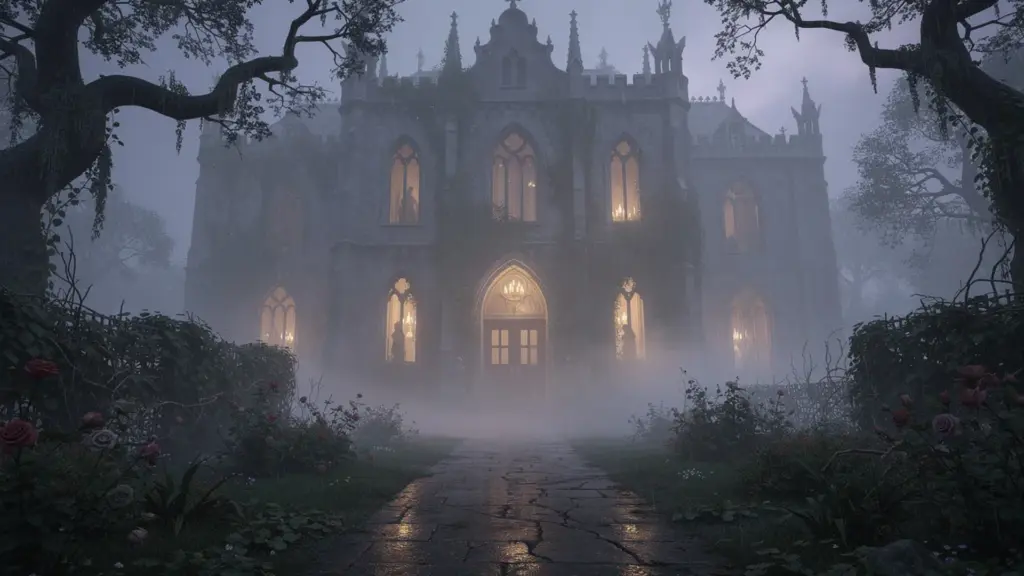
Gothic romance combines romance with dark, macabre settings. Think eerie mansions, remote estates, mist-covered moors, and secrets buried in old family histories.
The love interest is often brooding, the atmosphere thick with tension, and the pacing deliberately slow to build dread. For readers who love slow-burn romance books with an undercurrent of mystery, gothic romance hits differently than any other sub genre.
If you're curious about how these darker types of romance compare to lighter categories, the breakdown at Dark Romance vs Contemporary Romance is worth a read.
In the dark romance space, Haunting Adeline by H.D. Carlton has become a defining title of the 2020s, featuring a stalker-hero dynamic, graphic scenes, and intense psychological tension that keeps readers on edge.
Penelope Douglas's Bully helped popularize bully romance, where one character torments the other before the relationship transforms, blending cruelty with vulnerability. Mafia romances, which build their tension around organized crime and loyalty conflicts, have also surged in popularity through indie publishing.
For gothic romance, the classics remain influential. Charlotte Brontë's Jane Eyre established the template of a brooding hero with secrets and a female heroine navigating isolation and moral conviction.
More recently, SenLinYu's Alchemised (2025) blends gothic romance with horror and dark fantasy elements, delivering a massive, atmospheric novel where the characters involved are haunted in both literal and figurative senses.
Some fantasy romance and paranormal romance titles also qualify as dark romance or gothic romance when they incorporate horror, taboo themes, or deeply troubled characters. The lines between these sub genres are fluid.
For a broader selection, the Goodreads gothic romance shelf offers hundreds of reader-curated recommendations sorted by popularity and rating.
These romance sub genres add supernatural elements, magic, or entirely invented worlds on top of a central love story.
The appeal is escapism amplified: you get the emotional satisfaction of watching a couple fall in love, layered with the thrill of worldbuilding and the unexpected.
Paranormal romance features supernatural beings like vampires and werewolves as key characters.
The genre blends romance with elements that defy scientific explanation, and paranormal romance often includes ghosts, angels, and faeries as characters alongside human protagonists.
The setting can be either contemporary or entirely fictional worlds, and the romance typically develops between humans and non-human creatures. Paranormal aspects create unique obstacles for the couple, from immortality complications to secret identities.
Romantasy blends romance with high-fantasy world-building, and romantasy blends romance and fantasy elements equally.
Fantasy romance takes place in fully invented or secondary worlds where magic systems, political intrigue, and epic conflict share the spotlight with the romantic relationship.
Romantasy blends romance with high-fantasy world-building, and romantasy blends romance and fantasy elements equally, meaning neither the love story nor the adventure plot takes a backseat.
Fantasy elements like mythical creatures, prophecies, and magical wars become integral to the couple's arc.
Urban fantasy occupies a middle ground. It typically features a single heroine navigating a modern city filled with supernatural creatures and hidden magical societies.
The romance subplot may be strong, but the mystery, action, or political plot can be equally dominant. Many urban fantasy series have spun off dedicated romance companion novels for readers who want more of the couple and less of the quest.
Romance subgenres often crossover into combinations like historical fantasy or paranormal dystopian, and the paranormal and fantasy space is where this blending happens most freely.
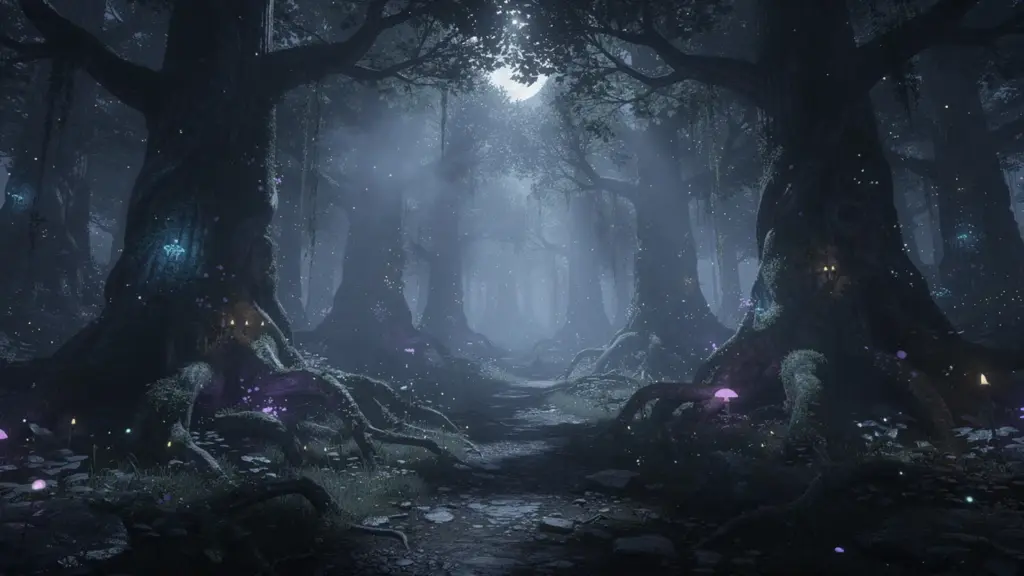
Stephenie Meyer's Twilight saga (2005) introduced millions of readers to paranormal romance, centering the relationship between a human and a vampire against a backdrop of supernatural creatures and territorial conflict.
Nalini Singh's Psy-Changeling series built a devoted following through its richly developed shifter world and deeply emotional couples.
These early 2000s titles proved that romance readers had an enormous appetite for stories where the paranormal elements heightened the stakes of falling in love.
On the fantasy romance side, Rebecca Yarros's Fourth Wing (2023) helped push "romantasy" into mainstream bestseller territory, blending a dragon-rider military academy with a fierce central love story.
Thea Guanzon's The Hurricane Wars (2023) draws on Southeast Asian mythology and layers political conflict with a compelling enemies-to-lovers arc.
Chloe Gong's Immortal Longings (2023) delivers romantic fantasy with revenge, tragedy, and supernatural elements woven into every chapter. For further reading, the Goodreads paranormal romance genre page is a reliable starting point.
The growth in this space has been dramatic. Fantasy romance print sales rose roughly 80% in early 2026 compared to the previous year, and romantasy titles have been credited with helping reverse negative trends in overall print book sales.
The age of the protagonists and the target audience significantly influence the tone, themes, and emotional depth of romance novels. These categories highlight distinct stages of life and the unique experiences that shape romantic journeys.
Young adult (YA) romance centers on teenage characters typically aged 13 to 18. These stories focus on first love, self-discovery, and coming-of-age themes.
YA romances often explore identity, family dynamics, school life, and the exhilaration and challenges of young relationships. The tone tends to be lighter and the romantic content more modest, making it suitable for younger readers. Common settings include high schools and teen social environments.
For more on YA romance, explore Lauren Landish's recommendations.
New adult (NA) romance features characters aged 18 to 29 and bridges the gap between YA and adult romance.
Emerging in the 2010s, this subgenre delves into college life, early careers, independence, and the complexities of adult relationships.
NA romances often include more mature themes and higher heat levels than YA, reflecting the transitional phase of young adulthood.
Notable examples include The Love Hypothesis by Ali Hazelwood and The Bride Test by Helen Hoang. Discover more about new adult romance at Lauren Landish's site.
Since the 2010s, romance fiction has seen a growing emphasis on diverse representation, with characters from various backgrounds gaining prominence.
Both YA and NA romances explore themes like identity, mental health, and personal growth alongside romantic development. Heat levels in these subgenres range from sweet and closed-door to more explicit content, catering to a wide spectrum of reader preferences.
Understanding romance tropes can help readers navigate these categories and find stories that resonate deeply.
Beyond the major categories, romance has developed highly targeted sub genres built around specific professions, lifestyles, or settings.
These specialized niches give readers exactly the fantasy they're looking for.
Military romance involves characters in military settings or themes.
Stories typically feature active-duty soldiers, veterans, or military families dealing with duty, trauma, reintegration into civilian life, and the strain that service places on relationships.
The emotional stakes are high because the dangers are real, and the best military romance titles balance action with genuine vulnerability.
Billionaire romance centers on ultra-wealthy protagonists, power imbalances, luxury settings, and high-fantasy wish-fulfillment.
The appeal is aspirational: readers experience glamorous worlds while watching a powerful, often guarded one character learn to open up emotionally.
These stories frequently intersect with workplace romance, where the power dynamic between boss and employee creates friction and tension.
Other popular specialized sub genres include sports romance (athletes and the people who ground them), rockstar romance, mafia romance (where organized crime drives the external conflict), medical romance, christmas romances and holiday romance, and sci fi romances set in a futuristic world.
Amish romances offer a unique window into faith-based communities with inspirational romance themes.
Many of these specialized sub genres fall under the broader contemporary romance umbrella but deliver distinct tropes, settings, and character archetypes.
For a comprehensive look at how tropes drive these categories, the romance tropes list breaks down the most popular patterns across different sub genres.
Billionaire romance often intersects with workplace romance, grumpy-sunshine dynamics, or "beauty and the beast"-style stories where a seemingly intimidating love interest hides deep vulnerability beneath a polished exterior.

Beauty and the Billionaire: The Collection by Lauren Landish is a concrete example of billionaire romance done well.
This box set, part of the Dirty Fairy Tales series, features a billionaire CEO hero with emotional demons and a quirky, grounded heroine who disrupts his carefully controlled world.
The collection showcases key billionaire romance elements: glamorous lifestyles, intense chemistry built on power imbalance, emotional vulnerability under a powerful exterior, and guaranteed happy endings that feel earned rather than formulaic.
If you enjoy luxury, high drama, deeply emotional arcs, and characters involved in high-stakes business conflicts, billionaire romance is a sub genre worth exploring.
Lauren Landish's catalog also includes titles like Never Bargain With The Boss for readers who love the tension of workplace power dynamics.
Romance sub genres are only one layer of classification. Heat level and length also define the reading experience, and understanding these dimensions helps readers avoid unpleasant surprises and find exactly the spice level they prefer.
| Heat Level | What to Expect |
|---|---|
| Clean / Sweet | Minimal intimacy, possibly kissing, no graphic sexual content |
| Closed-door | Intimacy implied but happens off-page |
| Medium heat | Some open-door scenes, moderate detail |
| Steamy / Spicy | Frequent, explicit scenes integrated into the emotional arc |
| Erotic | Highly explicit, sexuality central to character development |
Erotic romance blends explicit sexual content with romantic development.
Characters in erotic romance often experience significant growth through sexual interactions, and the genre typically features fast-paced plots and explores various kinks.
Erotic romance is distinct from pure erotica, which focuses solely on sex without the requirement of a central love story or happy ending. Fifty Shades of Grey is a well-known example of erotic romance that brought the sub genre to mainstream attention. Any romance sub genre, from fantasy romance to dark romance, can exist at different heat levels.
| Type | Word Count Range |
|---|---|
| Novellas | ~20,000–40,000 words |
| Standard novels | ~70,000–90,000 words |
| Epics | 100,000+ words |
Sub genres frequently blend. A dark paranormal romance might combine supernatural creatures with morally gray dynamics and romantic suspense elements.
A cozy fantasy romance might layer a magical setting with low-conflict warmth. Sci fi romances can unfold in a futuristic world with paranormal elements.
Subgenres of romance include Contemporary, Historical, Romantic Comedy, and many other subgenres that freely mix and match. The most important thing is finding the combination that clicks with you.
The genre's commercial scale reflects this variety. Romance remains a billion-dollar industry with bestselling authors across every sub genre, and its growth shows no signs of slowing down.
With so many types of romance to explore, the best approach is matching your current mood to the sub genre designed for it.

If you want comfort and warmth, reach for cozy romance or a small town contemporary with a heart warming community. If you're craving intense catharsis and morally gray characters, dark romance or gothic romance will deliver that emotional edge.
If escapism through magic and myth sounds appealing, try fantasy romance or paranormal romance with rich worldbuilding and supernatural creatures.
If you want to laugh and feel good, a romantic comedy with sharp banter is your best bet. If identity and self-discovery resonate with where you are in life, young adult or new adult romances offer that mirror.
And if you want luxury, power, and high-stakes emotion, billionaire romance or a workplace romance with a commanding boss will scratch that itch.
Remember that sub genres are flexible labels. Your favorite romance books probably combine elements from multiple categories, and that's part of what makes the genre so endlessly readable.
A single book can be a dark paranormal romance set in a futuristic world with lgbtq romance leads and high heat. Labels help with discovery, but they never limit what a great romance story can be.
As you experiment with different sub genres, explore Lauren Landish's romance catalog for titles that span billionaire romance, contemporary drama, workplace tension, and more.
The romance genre keeps evolving with new voices, more inclusive representation, and creative blends of every category on this list.
There's a perfect love story out there for every reader, and the only real challenge is deciding which one to read next.
The biggest romance categories in this guide are contemporary romance, historical romance, romantic comedy, cozy romance, dark romance, gothic romance, romantic suspense, paranormal romance, fantasy romance, urban fantasy, YA romance, new adult romance, and specialized niches like billionaire and military romance. Many books blend more than one of these labels.
Contemporary romance is set in modern times and focuses on realistic relationship development. Romantic comedy uses the same modern setting, but humor is a bigger part of the book, with witty banter, comedic obstacles, and a lighter tone.
Dark romance leans into morally gray characters, violence, captivity, and other heavy themes. Gothic romance is more about eerie settings, secrets, and a slow-building sense of dread, while romantic suspense pairs the love story with danger, mystery, or investigation.
Heat level describes how explicit the intimacy is on the page. Clean or sweet romance stays minimal, closed-door romance keeps intimacy off-page, medium heat gives some detail, steamy romance is more explicit, and erotic romance puts sex at the center of the emotional arc.
YA romance centers on teen characters, usually ages 13 to 18, and focuses on first love, identity, and coming of age. New adult romance follows characters roughly 18 to 29 and usually deals with college life, early careers, and more mature relationships.