
Romance novels have always been about more than falling in love.
At their core, they track how people want to be seen, chosen, and promised a happy ending, which is why the history of romance novels says so much about changing ideas of romantic love, marriage, and women's roles.
That history runs from early love stories and courtship fiction to the modern romance market, where readers still expect emotional payoff and a relationship at the center of the story. If you want the bigger picture of how the genre works today, this romance genre overview helps set the stage.
To understand the scope of these books, it is helpful to look at the official standard used by the industry.
The Romance Writers of America defines the genre through two specific requirements: a central love story and an emotionally satisfying and optimistic ending.
These pillars have remained the foundation for authors and readers alike for decades.
What makes the genre so persistent is simple; it keeps adapting without losing its promise.
The next section explores the extensive history of romance novels by starting with those early roots to show how the genre grew into the bestseller machine it is now.
The history of romance novels does not start with paperback shelves or bookstore displays. It starts much earlier, in stories people told about desire, distance, and the hope that love would win in the end. That basic pattern has lasted because it works, and readers still respond to it for the same reason they did centuries ago.
Even the oldest love stories already had the shape of modern romance fiction. The details changed, but the emotional spine stayed the same: two people meet, something pulls them apart, and the story keeps asking one question, will they find their way back?
Long before the modern novel, ancient stories were already testing the same emotional beats romance readers know well. Lovers met, separated, suffered, and reunited. That cycle shows up repeatedly in ancient Greece, where tales often emphasized that longing is just as important as love itself.
Take the broad pattern and it looks familiar:
That structure matters because it gave later writers a ready-made blueprint.
According to Britannica's overview of romance literature, romance as a literary form took shape in medieval France through the concept of courtly love, which celebrated stylized, often unattainable affection, but the emotional habits behind it were even older.
Readers were already used to stories built on longing and return.
Romance did not appear out of nowhere. It grew out of stories people told to make separation feel meaningful and reunion feel earned.
These early plots also made room for what romance still does best, turning private feeling into public drama. A stolen glance, a delayed letter, or a forced departure might seem like small things on the page, but they carry the weight of the entire story.
For a closer look at the patterns that still drive romance fiction now, the essential romance novel tropes guide shows how these older story beats survive in modern form.
Early audiences did not just want love, they wanted resolution. Marriage gave stories closure, restored order, and signaled that desire had moved into something socially acceptable.
In a lot of older fiction, that ending was the point where emotion and social duty finally met.
This is part of why the romance form became so recognizable. The promise of a Happily Ever After, or HEA, was not just pleasant; it was reassuring.
It told readers the characters had found their place and that chaos had a limit.
That expectation shaped the genre in a few clear ways:
That pattern shows up in later domestic fiction too.
The New York Public Library notes that the modern romance novel has roots in 18th- and 19th-century romantic fiction, where courtship and marriage became central narrative engines rather than side details.
The form was still taking shape, but the promise was already there: love would lead somewhere specific, and readers would get to see it happen.
By the time the modern romance novel arrived, the ending was not a surprise. It was the contract. And that contract began much earlier than most people think, in stories that understood one simple thing: readers want love to endure, not just flare up and disappear.
By the 1700s and 1800s, love stories were no longer just side plots or legends.
They started to become books about private feeling, social pressure, and marriage choices, which is where the history of romance novels begins to look familiar.
This was the period when writers stopped treating courtship as a simple plot device. Instead, they made it the center of the story.
A woman's emotions, her judgment, and her future suddenly mattered on the page in a new way.
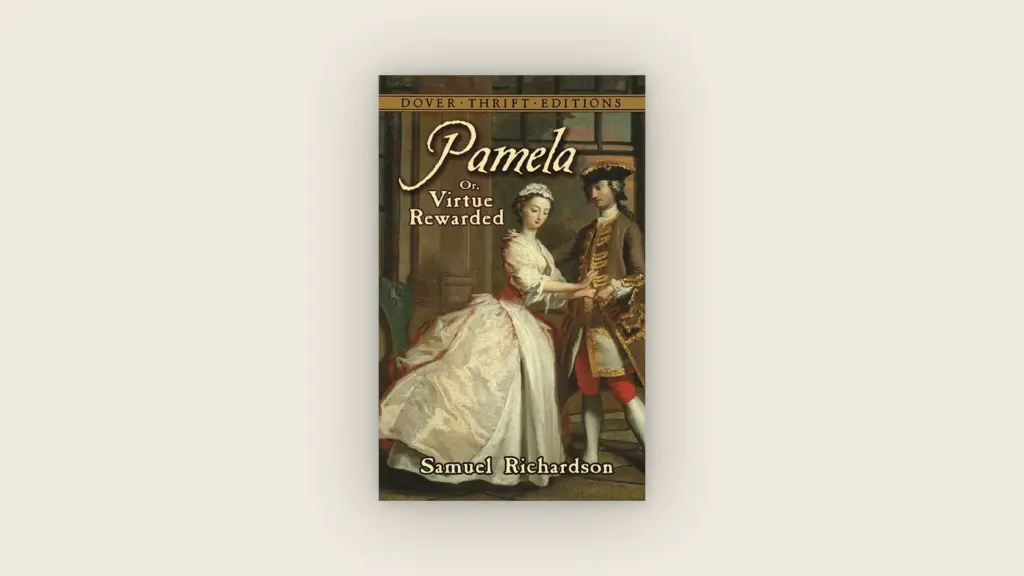
Samuel Richardson wrote Pamela, which is often treated as one of the first major forerunners of the romance novel because it puts a young woman's virtue and choices at the center of the action.
Pamela is not chasing adventure. She is trying to protect herself, keep her dignity, and survive a man who holds power over her.
That matters because the story turns courtship into a moral and emotional test. Class difference is always in the room. So is pressure, since Pamela's feelings are never separate from her social position. For readers of the time, that mix of virtue, desire, and social mobility was electric.
Pamela helped make the woman's inner life part of the plot, not just a background detail.
It also pushed fiction toward the domestic sphere, where love, resistance, reputation, and marriage all collide.
By establishing the domestic sphere as the primary setting for these conflicts, Samuel Richardson laid important groundwork for later romance and for the reader favorite romance story patterns readers still expect today.
You can already see the early shape of the genre, a heroine under pressure, a powerful man, and the question of whether affection can become something safe and mutual.
Jane Austen took courtship fiction and made it sharper, smarter, and far more realistic. She cared about love, but she cared just as much about manners, money, inheritance, and reputation.
In her novels, romance is never floating in a bubble. It has consequences.
Her heroines think before they choose.
That is a huge reason Jane Austen still feels modern. Elizabeth Bennet, Elinor Dashwood, and Anne Elliot do not simply fall in love, they assess character, read a room, and weigh what marriage will actually mean.
If you want a useful overview of her place in the genre, A Brief History of the Romance Novel gives a concise look at how Jane Austen helped define later romantic fiction.
Austen also made emotional intelligence part of the attraction. Her couples have to learn each other, not just desire each other.
That mix of wit, restraint, and social realism gave romance a new shape, one where respect matters as much as chemistry.
The Brontë sisters took the courtship novel and pushed it into stormier weather.
Their fiction is heavily influenced by the Gothic novel, a genre that grew in popularity thanks to pioneers like Ann Radcliffe.
Their work is full of moors, secrecy, loneliness, and intense emotional conflict. Love still matters, but it is tangled up with power, independence, and pain.
Charlotte Brontë's Jane Eyre is the clearest example. Jane wants love, but she refuses to lose herself for it. That tension gives the story its force. The romance feels larger because it is tied to self-respect, not just marriage.
The Brontë sisters also made romantic fiction darker and more dramatic. Their heroines are stubborn, wounded, and fiercely alive.
Their love stories can feel like thunder after the clear daylight of earlier authors, which is part of why both traditions lasted.
Together, these writers gave the history of romance novels two lasting forms:
By the end of the 1800s, romance had a clear shape. It could be quiet or wild, witty or tragic, but it was no longer an accident in the story. It had become the story itself.
By the Victorian era, romance novels had picked up a sharper edge. Love still mattered, but it had to move through a maze of manners, duty, and reputation before it could claim a happy ending.
That tension made the stories feel loaded.
A glance, a visit, or a proposal could carry the weight of family honor, class standing, and a woman's future.
Victorian romance often lived inside courtship and domestic fiction, where the plot was tied to behavior as much as feeling. Characters had to prove they were worthy of love, not just capable of it. That gave writers room to explore restraint, patience, and self-command without draining the emotional pull.
The best books used those rules as both structure and pressure. A heroine might want love, but she also had to guard her reputation, read social cues, and stay within the narrow lane society gave her. A hero, in turn, was often judged by whether he could balance affection with responsibility.
That is part of why these stories stayed so popular. They made readers care about the smallest choices, because the smallest choices could change everything. A delayed letter, a rumor, or a failed introduction could block a future.
According to The Victorian Courtship Novel, 1840-1890, many courtship novels built on Austen's realism while pushing harder into social and psychological conflict.
That mix gave romance a moral backbone. Readers got the emotional satisfaction they wanted, but they also got lessons about propriety, patience, and the cost of bad judgment.
You can see the pattern clearly in the stories themselves:
In these novels, romance is never only private. It sits under social rules like a flame under glass.
Women readers kept these stories alive because they wanted love plots that took their feelings seriously. They also wanted endings that made emotional sense. A marriage plot gave them both, even when the road there was full of friction.
That demand shaped what publishers chose to print and what writers kept writing. The more women read, the more the genre leaned into courtship, marriage, and emotional payoff. It was not just about finding a husband. It was about seeing the emotional stakes of choice, refusal, and commitment played out on the page.
By the early 20th century, the rules had softened a little.
Public dating became more common, and women had more room to choose for themselves. During this period, the business of romance began to formalize with the founding of Mills & Boon in 1908, which helped turn these stories into a publishing powerhouse.
Additionally, authors like Georgette Heyer began to redefine the landscape, effectively creating the Regency romance subgenre that remains a cornerstone of the field today.
The Frick Pittsburgh's look at courtship in the Gilded Age shows how formal these rituals still were, even as social habits began to shift. That balance mattered.
Readers did not just want rebellion, they wanted recognition. They wanted stories where desire had consequences, but love still won.
This is where the history of romance novels gets especially interesting. Women readers were not passive consumers. They helped shape the genre by rewarding stories that ended with emotional satisfaction, even when the path there was complicated.
What they kept asking for was simple:
That formula kept romance alive through changing fashions, because it matched something steady in reader desire.
People may have wanted more independence, but they still wanted love to feel safe, chosen, and complete.
The mid-1900s were a strange stretch for the history of romance novels. Readers kept buying love stories in huge numbers, but critics continued to look down on the genre.
That split matters, because this period is not a story of disappearance. It is a story of immense popularity coupled with a complete lack of respect.
Romance stayed strong because it gave readers exactly what they wanted: comfort, escape, and a familiar ending that felt worth the trip. In the years during and after World War II, that promise mattered a lot. Real life was full of strain, so a story that moved toward reassurance held genuine appeal.
Publishers recognized this demand, particularly through the rise of the mass-market paperback. These books were easy to carry, easy to finish, and easy to return to.
A major force during this era was Harlequin, which began to dominate the market by delivering consistent, reliable stories.
This was the birth of what we now call category romance, where shorter, series-based books provided a steady stream of content for hungry readers.
These readers did not need a literary lecture; they wanted emotional movement, tension, and a sense that happiness was possible after all.
That is why critics could dismiss the genre and still fail to dent its sales. People came back to romance for the same reasons they do now:
Romance was often mocked as light reading, but light does not mean empty. For many readers, it was the one place where the ending kept its word.
The pull of these books also came from repetition in the best sense. Readers liked knowing the shape of the story. They liked the rhythm of emotional uncertainty followed by payoff.
If you want a useful frame for how romance keeps repeating and refreshing its core patterns, this look at common romance tropes shows why familiar beats still work.
By the middle of the century, romance had become a dependable part of popular reading life, even if it still lived in the shadow of so-called serious fiction. The books were doing fine, but their reputation was not.
The 1960s changed the conversation around love, sex, and women's roles, and romance fiction had to move with it. Social change widened what readers expected from stories, while publishers began testing bolder material. The old courtship formula still sold, but it no longer felt like the only game in town.
Women had more public visibility, more career options, and more room to question marriage as a life script. That did not kill romance. It changed the pressure around it. Readers still wanted love, but they wanted heroines with more independence and desire of their own.
At the same time, the broader literary world kept treating romance as disposable.
A 2020 essay from Lincoln University's library archive points out how popular romance was often dismissed because it centered women's lives and fantasies, which says a lot about who got to define literary value in the first place.
You can read that broader argument in the case for popular romance in women's history.
That tension reshaped the genre. Publishers were more willing to print stories with sharper emotions, more sensual tension, and less rigid moral framing.
Readers were ready, too.
They wanted love stories that felt current, not trapped in an earlier code.
So romance grew in popularity, then lost status for a very specific reason; it became too popular to ignore and too female-centered for some critics to respect.
That mix would shape everything that followed.
The 1970s marked a transition where romance stopped feeling polite and started feeling alive. Readers wanted more heat, more tension, and more emotional risk, and publishers finally noticed the appetite was there.
That decade changed the shape of the genre. Romance novels became longer, bolder, and easier to find on store shelves, which meant more readers could buy them without apology.
The old rules about restraint started to crack, making way for a new era of storytelling.
The novel The Flame and the Flower by Kathleen Woodiwiss is the book that forced romance into a new gear. Published in 1972, it stretched far past the short, chaste love stories that had dominated earlier mass fiction. It offered a sweeping plot, stronger sexual tension, and a heroine who had to fight for her place in the story.
That combination mattered because it changed what readers expected from a romance novel. Passion was no longer something hinted at and quickly tucked away. It became part of the payoff, and the book did not treat desire like a side note.
Kathleen Woodiwiss also changed pacing. The novel took its time, letting the emotional stakes build instead of rushing toward the ending. That slower burn gave the love story more weight, and it made the eventual payoff feel earned.
If you want a quick reference point on the book's place in history, The Flame and the Flower is widely recognized as a turning point for the modern historical romance.
Romance readers did not just want a happy ending. They wanted the journey to feel bigger, hotter, and harder won.
The structure was part of the appeal as well. Kathleen Woodiwiss blended danger, misunderstanding, class tension, and attraction into one long arc. That made the book feel more like an emotional epic than a tidy courtship tale.
This shift paved the way for the single-title romance, a format that allowed for longer, more complex narratives that stood on their own rather than being part of a generic series.
It also opened the door for heroines who were more active, more complicated, and less passive than earlier romance leads.
Once The Flame and the Flower proved what readers would buy, the market filled fast.
The so-called bodice rippers became the defining romance style of the decade, with covers that promised passion before the first page was turned.
These books were dramatic, sensual, and impossible to miss in a drugstore rack.
The formula had a few clear traits:
That mass-market visibility was huge. Romance was no longer hidden in the corners of literature. It was sitting on racks, in airports, and near checkout counters, where readers could pick it up without planning a trip to a bookstore.
The covers told their own story, featuring flowing hair, torn garments, and locked-in-glance intensity. They signaled exactly what the books delivered, a heightened emotional world where danger and desire often arrived together.
The popularity of bodice rippers also widened the emotional range of the genre. The hero could be rough, brooding, or even dangerous, while the heroine remained vulnerable yet strong. That mix gave the genre a new voltage, and it made romance feel less like a safe courtship ritual and more like a charged emotional contest.
Publishers did not need much convincing once the numbers started speaking. Romance sold, and it sold to a loyal audience that kept coming back for more. That kind of repeat readership is gold in publishing, and the industry noticed fast.
The lesson was simple: romance was not a side category, but a reliable engine. Once readers found a writer they liked, they wanted the next book, and then the one after that. That built a powerful backlist, which helped publishers think about romance as a long-term business instead of a one-off hit.
That shift changed business decisions for decades. Editors became more willing to acquire romance, especially historical romance, because the market was clearly there. Distribution expanded, print runs grew, and series became more common.
The genre was no longer treated as a gamble, but as a category with built-in demand.
During this period, the formation of the Romance Writers of America (RWA) played a pivotal role in professionalizing the industry, helping to organize a market that was rapidly expanding.
By the end of the 1970s, romance had taught publishing a blunt lesson. Readers wanted emotional satisfaction, and they would buy it again and again.
That changed what got printed, what got promoted, and what got taken seriously.
A few lasting changes came out of that boom:
The decade did more than popularize romance. It reset the business around it. Once publishers saw how dependable the audience was, they stopped asking whether romance could sell and started asking how much more of it they could put on the market.
The 1970s boom also set the template for modern romance publishing, where loyal readers, fast turnover, and clear genre promises still drive the market.
The shape of the industry changed because the books did exactly what they promised, and people kept buying them.
Romance did not stay in one lane for long.
Once readers realized they could get the emotional payoff they wanted in different settings, with different levels of heat, danger, or faith, the genre started branching fast. That is how the history of romance novels turns into a story of categories, shelves, and reader tastes.
The heart of the genre stayed the same, though. Whether the couple is in a grand old manor, a modern office, or a haunted town, romance still has to center the relationship.
The setting can change, the tone can change, and the conflict can change, but the love story cannot disappear.
Historical romance and contemporary romance split the genre along one obvious line, which is time. Historical romance drops readers into the past, where class rules, inheritance, war, and marriage customs shape every choice.
Contemporary romance keeps the story in the present, so the conflict often comes from careers, family pressure, healing, or the mess of modern dating.
That difference changes the whole feel of the book. Historical romance often moves with a slower, more formal rhythm, while contemporary romance can feel sharper and more immediate.
One leans on gowns, letters, and social codes, while the other leans on text messages, apartment life, and the awkward business of two people trying to be honest.
Still, both follow the same promise.
You want the chemistry, the tension, and the emotional reward. You want to know the relationship matters more than any side plot.
A quick way to see the split is this:
That is why subgenres can feel so different without leaving romance behind.
The genre is flexible, but it is not loose. If you want a closer look at how modern readers talk about these distinctions, the dark romance versus contemporary romance guide shows how tone and emotional intensity can shift within the same broad category.
The setting may change the costume, but the story still has to hand the reader a love story that lands.
Once romance proved it could carry more than courtship, authors started mixing it with other reader favorites. That is where paranormal romance, inspirational romance, and romantic suspense came in. Each one pulled in a different crowd, but all three kept the relationship at the center.
Paranormal romance added vampires, witches, shapeshifters, ghosts, and other supernatural elements. It worked because fantasy fans wanted the charge of a love story without losing the thrill of magic or danger.
The result is often eerie, sensual, and high-stakes, with ordinary life sitting beside impossible creatures.
The romance novel overview from the New York Public Library is useful here, because it shows how the genre kept widening while staying rooted in emotional fiction.
Inspirational romance, often called Christian romance, grew from readers who wanted love stories shaped by faith.
These books focus on prayer, forgiveness, values, and emotional restraint. The romance is still real, but the moral frame is different. For many readers, that made the stories feel safe, uplifting, and steady.
Romantic suspense brings in danger.
Murder, kidnapping, criminal threats, and hidden motives push the couple into crisis while they fall in love.
The suspense has to matter, but it cannot swallow the romance. If it does, the book becomes a thriller with a love subplot, not a true romance novel.
These branches expanded the field in a few clear ways:
That is the clever part. Romance did not fragment because it got weaker. It split because it got bigger, allowing authors to use specific tropes to build excitement within these new categories.
No matter how far romance stretches, the ending still does the heavy lifting. Readers may want magic, faith, suspense, or plain old contemporary realism, but they still expect the relationship to land in a hopeful place. That expectation is not a side note. It is the genre's backbone.
The exact shape of the ending can vary. Sometimes it is a clear happily ever after. Sometimes it is a solid happily for now.
Either way, the emotional promise stays intact. The couple makes it through the conflict, and the reader gets relief instead of heartbreak.
That is why romance keeps its power even as the market keeps changing. The details can get darker, stranger, or more modern, but the payoff remains steady. In a genre full of shifting subgenres, that ending is the one thing readers can count on.
The promise works because it gives shape to everything before it. Without that emotional payoff, the story loses its balance. With it, even the most unusual romance still feels like romance.
Readers may come for the tropes, but they stay for the feeling that love can survive the mess.
That emotional finish is what ties the whole history of romance novels together, from old courtship plots to the many subgenres on shelves now.
The genre keeps changing its clothes, but it never stops making the same offer, which is that love will matter and it will lead somewhere worth reaching.
Romance novels still matter because they give readers something a lot of fiction forgets, a promise that emotional tension will pay off. They offer hope without pretending life is easy, and that balance keeps the genre alive across generations.
The history of romance novels explains part of it. Readers have always wanted love stories that feel personal, believable, and worth the wait.
Today, that same pull shows up in new ways, from online book communities to more varied casts and sharper, more modern plots.
Modern romance readers want more than a pretty love story. They want emotional escape, but not a fantasy that feels hollow.
The best romance novels lets them step out of their own stress and into a story that still feels human.
That means relatable characters matter. Readers want people who sound like real adults, make messy choices, and carry real wounds.
Chemistry matters too, because without it the whole book feels flat. The attraction has to spark, then grow into something that feels earned.
The ending still carries the most weight. Romance readers want the guarantee of a Happily Ever After, which serves as the fundamental promise of the genre.
Whether the journey leads to a traditional happy ever after or a more complex but hopeful finish, that commitment to a resolution is a big reason readers keep coming back.
Romance works because it doesn't leave readers hanging. It gives them tension, then it gives them relief.
A few things modern readers expect are hard to miss:
That mix is simple, but it's not shallow. It gives readers the feeling that love can be messy and still land well, which is a powerful reason the genre still holds its place.
Romance keeps surviving because it doesn't sit still. Tastes change, and the genre changes with them.
Readers who grew up on older formulas now share the shelf with people looking for queer love stories, interracial couples, disability representation, and more books shaped by the writers who live those experiences.

That shift matters. It makes the genre feel wider and more honest, without dropping the emotional core that made it work in the first place.
A romance novel can be fantasy-heavy, faith-centered, spicy, funny, or politically aware, and still do the same job, put love at the center and give readers a payoff they can feel.
Current reading habits also help. Social media has turned romance into a shared conversation, not just a private habit.
TikTok, book clubs, and review communities have made it easier for readers to find the exact mood they want, whether that's hockey romance, romantasy, second-chance love, or something darker.
The CBC recently noted how social platforms are shaping romance book trends and broadening the audience for the genre, while keeping interest high among younger readers (CBC on romance trends).
The genre's flexibility is part of its staying power. A romance can look like any of these and still feel true to itself:
That range keeps the genre fresh.
As Jenny Crusie writes in her essay on romance fiction, romance gives readers a way to rethink reality while still staying rooted in it.
That is exactly why the genre keeps finding new readers without losing the old ones.
The history of romance novels keeps moving because readers still want the same core thing, a story that says love matters, people can change, and the Happily Ever After is a destination worth pursuing.
According to the Romance Writers of America, a book must contain a central love story and an emotionally satisfying, optimistic ending to be classified as a romance. These two pillars remain the foundation for the genre regardless of the specific setting or subgenre.
The happy ending serves as a contract between the author and the reader, providing a sense of closure and emotional relief. In a world of real-life uncertainty, this guaranteed payoff makes the characters' journey feel meaningful and reassuring.
The 1970s saw a massive shift toward longer, bolder narratives and increased sexual content, led by groundbreaking authors like Kathleen Woodiwiss. This era also standardized romance as a reliable, high-volume business for publishers, moving it from the fringes into mainstream retail prominence.
The genre has evolved to include more diverse voices, queer love stories, and complex, independent protagonists who face modern challenges. By incorporating these contemporary themes, the genre remains relevant to new generations while upholding its traditional commitment to emotional payoff.
The history of romance novels remains significant because the genre consistently delivers the same honest emotional experience in new settings.
It provides readers with hope and a sense of human connection, ultimately rewarding them with an ending that feels earned.
That is why the genre has evolved from early courtship stories to the works of Jane Austen, the Victorian marriage plot, the 1970s publishing boom, and the diverse subgenres found on modern shelves.
While the details may shift, the central promise remains clear: love matters, and it usually finds a way.
As we look back at the expansive history of romance novels, it becomes evident that this promise is not going anywhere.
Romance will continue to evolve alongside its readers, but it will always provide the satisfying conclusion they seek.
This reliability is exactly why the genre continues to find new life in every generation.
Check out my romance trope collections for your next TBR!