Romance tropes are the building blocks of the stories we love, serving as repeated patterns that dictate the emotional journey in genre fiction, and that's a big part of why they work so well.
When I open a romance novel, I want the tension, the chemistry, the payoff, and the comfort of knowing the story has a shape I can trust.
That familiar structure is half the appeal.
Tropes like enemies to lovers, fake dating, forced proximity, and second chance romance give readers a fast sense of the conflict, while still leaving room for surprise, character growth, and a satisfying ending, which is why so many readers keep coming back to them.
If you want a simple breakdown first, I've put together my guide to romance tropes as a starting point.
In the next section, I'll look at the most common romance tropes, how authors use them, and why some of them land better than others.
When I talk about romance tropes, I'm talking about the familiar story patterns that give a love story its shape. They're the reason one book feels instantly cozy, while another feels sharp and dramatic before I'm even a chapter in.
A good trope doesn't replace character or plot. It sets expectations, then gives the author room to play with them.
That mix is a big part of why I keep reaching for romance novels in the first place.

A trope gives the emotional arc a clear path. It tells me where the tension starts, where the pressure builds, and where the payoff should land. Without that shape, a romance can feel flat or random.
Take enemies to lovers. I already know there will be friction as opposites attract, sparking attraction and a shift from resistance to trust.
With fake relationship, I know the lie will create awkward closeness before the feelings turn real. That structure is the point.
Readers like that sense of direction. We don't always want every twist spoiled, but we do want the promise of the journey.
In romance writing and emotional arcs, one useful takeaway is that tropes work because they give readers an emotional map, not just a plot outline or a simple plot device.
I think of tropes as a road map with guardrails. They set up conflict, attraction, and payoff, so the ending feels earned instead of dropped in out of nowhere. That's why a slow burn works so well too, because the tension keeps stretching until the release feels bigger.
The best romance tropes usually do three jobs at once:
Check out my other article about best romance novels here.
That's also why readers often start a book already excited. I'm not just waiting to see what happens, I'm waiting to see how it happens.
A trope is a pattern. A cliché is a pattern that feels worn out because it's been handled without care.
That difference matters. I can love a fake dating story and still roll my eyes if the characters feel like cardboard cutouts. The trope isn't the problem. The lazy execution is.
What saves a trope is voice, detail, and emotional truth. A familiar setup can feel fresh when the characters have distinct motives, messy history, and real chemistry
In this breakdown of romance tropes, the point comes through clearly, readers enjoy tropes when the author gives them new life instead of just recycling the setup.
A trope says, "I know this shape." A cliché says, "I've seen this exact thing too many times."
That's the line I keep in mind. Readers don't mind recognition. What they mind is predictability without spark.
Most romance novels don't rely on just one trope. They blend several, and that's usually what makes them feel richer.
A story might combine forced proximity with enemies to lovers, or friends to lovers with slow burn. One trope handles the external setup, while another deepens the emotional tension. The result feels layered instead of one-note.
I also think this is where romance gets most interesting. A fake dating plot can become even better when the couple is stuck together for work, or when one of them is a protective brother's best friend. Each trope adds another pressure point, so the story has more places to turn.
Here's the simple way I see it:
That layering matters because it gives the reader more to hold onto. In a guide to how romance beats and tropes work together, the bigger idea is clear, familiar story patterns are part of what makes romance so satisfying in the first place. When authors mix them well, the story feels bigger than a single label.
I also pay attention to how the tropes affect pacing. A slow burn plus forced proximity usually stretches tension. A second chance romance plus fake dating can speed up the emotional stakes. That combination is why two books can share a trope and still feel completely different.
The bottom line is simple, romance tropes are not shortcuts. They're the framework that lets a love story breathe, build, and pay off in a way readers recognize and enjoy.
When I look at the romance books readers ask for again and again, I see the same thing: they want tension, comfort, and a payoff that feels earned.
The setup can change, but the emotional promise stays steady. Give me friction, chemistry, and a reason to care, and I'm in.
The most requested romance tropes work because they hit different nerves at once. Some are playful, some are tender, and some feel like watching two stubborn people slowly lose the fight against their own feelings.
That mix is why these story patterns keep showing up on TBR lists, recommendation threads, and bookstore shelves.

This trope works because conflict gives every scene a charge. When two characters start off with strong opinions, sharp edges, and a real reason to clash, the story already has heat.
Add witty banter as the fuel for the fire, and I get the kind of back-and-forth that makes me keep turning pages just to see who slips first.
What I like most is the slow emotional change. The best enemies to lovers stories don't rush the shift.
They let the characters notice one another in small ways, usually right after an argument or a forced compromise, and that slow thaw makes the eventual payoff feel honest.
The best enemies to lovers romances don't remove the conflict too early. They let the conflict do its job.
This trope also works because the characters usually hide something softer underneath the attitude.
Maybe one of them is protective. Maybe the other is carrying hurt from before the story even begins.
When that vulnerability finally breaks through, the romance feels less like a switch flipping and more like a wall coming down.
I think readers respond to that because the tension is doing double duty. It keeps the story lively, but it also makes the characters feel human.
For a wider breakdown of why this setup keeps getting recommended, Book Riot's enemies-to-lovers guide and The Everygirl's take on the trope both point to the same thing, the payoff feels huge because the emotional resistance is so strong.
Another useful angle comes from Ember's enemies-to-lovers explainer, which highlights how reluctant admiration is often the real turning point.
Friends to lovers hits differently because the stakes are personal before the romance even starts.
The characters already trust each other, already know each other's habits, and already have history.
That makes the question feel bigger than "will they kiss?" It becomes, "what happens if this changes everything?"
I think readers love this trope because it mixes safety with risk. The friendship gives the story warmth, but the feelings underneath it bring the tension. One person is usually hiding a long-held crush, and the other is slowly realizing that the person right beside them has been the answer all along.
That emotional risk is what makes the trope sticky. A friendship can survive a lot, but romance changes the rules. If it goes badly, they could lose the one person who already knows them best. If it goes well, the relationship feels sturdy from the start because it already has loyalty built in.
This is where the best stories lean into small, loaded moments. A late-night text. A hand held a second too long. A joke that lands differently once the feelings are out in the open. Those little shifts carry a lot of weight because the characters are already so close.
I also think this trope works because it feels earned. Readers watch the emotional foundation being built long before the first big confession, so the romance doesn't feel forced. It feels like the story finally caught up with what was there all along.
Grumpy vs sunshine is popular because opposites attract for an instant contrast. One character brings resistance, sarcasm, or a hard shell.
The other brings warmth, patience, and a way of cutting through all that tension without making it feel fake. The balance is fun, but it also feels oddly comforting.
The appeal is simple. The sunshine character creates motion. The grumpy character creates friction. Put them together, and the story gets a rhythm that feels like sparks meeting a steady flame.
One pushes, one pushes back, and the reader gets to watch the softening happen in real time.

The grumpy character often has more going on than attitude. There may be stress, grief, fear, or plain old exhaustion under the surface.
The sunshine character isn't there to "fix" them, which is important. The best versions of this trope let warmth reveal what was already there, instead of treating joy like a cure-all.
Readers also like that the dynamic is easy to read. I know who is likely to roll their eyes, who is likely to smile first, and who will get caught caring more than they planned.
That predictability is part of the charm. It gives me comfort without taking away the chemistry.
Book Riot's updated guide to romance tropes and sub-tropes makes a useful point here, grumpy sunshine works because opposites attract, but the emotional payoff comes when each character changes the other in a believable way.
That's the real draw. I get the contrast, the humor, and the slow shift toward mutual trust.
I group fake relationship and forced proximity together because both tropes trap the characters in close quarters fast. One setup creates a lie that has to be maintained.
The other creates physical closeness the characters can't easily escape. Either way, the story pressure does a lot of the work for the romance.
Fake relationship is especially good at creating awkward, funny, high-stakes scenes, often sparked by a meet cute that spirals into pretense.
The characters have to perform a relationship, which means they keep acting like a couple until the feelings start to blur the line between performance and truth.
That artificial setup turns into natural momentum because every scene asks them to stay believable.
Forced proximity works in a different way. The characters might share a room, a trip, a job, or a house, with variations like the classic only one bed scenario, and all that closeness strips away the chance to hide.
They notice each other's routines, flaws, and kindnesses because they have no choice. It's hard to stay distant when you're stuck side by side.
One reason these tropes land so well is that they speed up intimacy without making it feel empty. The situation forces interaction, but the emotional payoff still has to be earned.
That balance is why Heptagon Books' take on trope combinations is so useful, especially its point that fake dating creates public pressure while forced proximity keeps the characters noticing each other up close.
I also see why readers keep asking for these setups. They make the story feel active right away.
There is always something at risk, whether it's a fake relationship falling apart in public or two people realizing they're out of excuses to avoid each other. That pressure creates momentum, and momentum is where romance gets fun.
The tropes readers ask for most often usually do one of three things well:
That last part matters more than people sometimes admit. Readers don't just want romance. They want the feeling that love had to work for it. The more the story earns the ending, the more satisfying it is when the characters finally land there.
The common thread across these tropes is emotional motion. Characters argue, soften, hide, or confess. They move toward one another in ways that feel messy and human.
That's why these setups keep winning with readers, and why I keep coming back to them myself.
I keep seeing the same truth in romance readers: we like knowing the shape of the story before we even start. That doesn't make the book boring.
It makes the reading experience feel safe, satisfying, and worth settling into. The details can change, but the emotional promise stays steady.
Readers don't need every turn spoiled. They want to trust the road ahead.

Romance tropes give me a clear emotional map. I know there will be tension, attraction, setbacks, and some kind of hard-won payoff, even if the details are brand new.
That familiar shape is a big part of the appeal, because it lets me relax into the story instead of bracing for chaos.
This is where the psychology matters. BookTrib's take on why readers are drawn to tropes points to the brain's love of patterns, and that tracks with how I read.
When I recognize the setup, I don't feel bored. I feel oriented. These patterns are why genre fiction like romance remains a top-selling category.
A few things make that comfort work so well:
That is why I can reread the same trope with different characters and still care.
I already know the emotional shape, so I get to focus on the chemistry, the voice, and the little surprises inside it.
Good romance tropes keep the plot moving because they build conflict right into the setup.
If the couple is pretending to date, stuck together, or starting off at each other's throats, the story has a built-in reason for pressure.
I never have to wonder why they are still talking to each other. The trope already answered that.
Psychology Today has written about the appeal of romance as part fantasy, part emotional reward, and I think that explains a lot here. Readers want tension, but not muddle.
Tropes give the conflict a shape, so the romance keeps moving instead of stalling out.
I also like that tropes make the stakes easy to follow. The lie has to hold. The grudge has to crack. The forced closeness has to turn into real connection.
The reader stays locked in because every scene pushes the couple a little closer or a little farther apart.
That kind of tension is clean. It doesn't need a tangled plot to work. It just needs pressure, timing, and characters who can't ignore each other forever.
I use tropes like a quick filter. They tell me the mood, the heat level, and the emotional style before I open the first chapter.
If I want something tender, I reach for one kind of story. If I want banter and sparks, I reach for another. That's not laziness, it's smart reading.
Psychology Today Canada's piece on why we love rom-coms makes a strong point about comfort and anticipation, and that's exactly what tropes do for me. They narrow the field fast, which saves me from guessing whether a book matches my mood.
I also think this is why trope lists matter so much in romance. They help readers sort books by:
When I want a specific feeling, tropes are the shortest path to it. They don't replace the story, they point me toward the right one.
The NPR discussion of "guilty pleasures" and why readers love them also gets at something important, people don't just want permission to enjoy romance, they want to enjoy it without friction.
Tropes make that easier because they tell me I'm in familiar territory, and familiar territory is often exactly what I came for.
The trick is not to ditch romance tropes. The trick is to make them feel personal, specific, and alive on the page.
I can read the same setup ten times and still love it if the characters feel distinct, the chemistry feels earned, and the story has its own pulse.
Freshness usually comes from the details around the trope, not the trope label itself. A familiar pattern becomes new when the author changes the emotional angle, the setting, or the kind of people carrying the story.

A trope is only as interesting as the people inside it. Two books can both be enemies to lovers, but if one pair is a burnt-out lawyer and a small-town florist, and the other is a competitive chef and a disaster-prone event planner, they won't feel the same at all.
What changes the feel of a trope is personality, goals, and backstory. A grumpy hero reads one way if he's guarded because of family pressure and another way if he's hiding a soft heart under dry humor. The label stays the same, but the emotion shifts.
I think that is why readers forgive a familiar setup when the characters feel specific. The trope gives me the structure, but the characters give me the reason to care. That also matches what Harlequin says about tropes and hooks, the familiar setup matters, but the fresh angle is what pulls readers in.
A strong character mix usually does three things:
Write with Harte's breakdown of romance tropes makes this point well, too. Once the characters have real motives, the trope stops feeling like a template and starts feeling like a story.
A trope should never feel like a lazy plot device used to bypass character growth.
If I can swap the characters without changing the emotional tone, the trope is probably too thin.
The same trope can feel brand new in a different setting.
A fake dating story in a small town reads differently than a fake dating story in a luxury penthouse or a corporate boardroom. The pressure changes, the tone changes, and the little moments change with it.
That is why setting matters so much. A small town romance often leans into community gossip, long memories, and everyone knowing everyone else's business.
A billionaire romance can turn the same trope into a story about power, privacy, and image. A dark romance takes the emotional risk even further, because the stakes feel sharper and less forgiving.
I like to think of setting as the lens, not the wallpaper. It changes how I see the trope. In a guide to romance trope combinations, Harlequin points out that layered tropes create more depth, and that same idea applies to voice and setting. The more specific the frame, the less stale the story feels.
How to make old tropes feel fresh again gets at the same thing with a simple rule, keep the core idea, then twist the execution.
That twist can be as small as a different social class, a different workplace, or a different emotional tone.
Here are the kinds of choices that make a difference fast:
The setup may be familiar, but the atmosphere does the heavy lifting. That is often what makes a reader say, "I have read this trope before, but not like this."
Even the messiest romance trope feels better when the characters act like real people. I don't need them to be perfect. I do need them to have believable reactions, clear emotions, and at least some sense of what they're risking.
That is where communication matters. A story can still have tension, jealousy, misunderstandings, or dramatic timing, but if the characters never act like human beings, the romance loses me. Real people notice things, ask questions, and eventually have to say what they mean.
This is one of the best ways to keep high-drama tropes from feeling stale. A fake dating story works better when the characters actually talk through the awkward parts.
An enemies to lovers story feels richer when the anger has a real reason behind it. Even dark romance benefits when emotions are grounded in recognizable behavior, not just shock value.
Psychology Today has written about the appeal of romance as part fantasy and part emotional reward, and that fits here. Readers want the drama, but they also want emotional truth.
If the characters can communicate in ways that feel honest, the trope gets stronger, not weaker.
Writers at Draft2Digital make a similar point about using tropes with intention. The setup matters, but the emotional logic has to hold. That's what keeps the story from sliding into melodrama for its own sake.
I also think this is where readers trust an author most. When a character says what they feel, even clumsily, I believe the relationship more. When they avoid every conversation forever, I start to feel the machinery behind the story.
A few small choices make a big difference here:
That last part matters most. Misunderstanding can be useful, but it should not be the only engine in the room.
The best romance tropes still work because the characters are acting like people, not plot devices.
The best authors don't throw the trope away. They keep the promise of the trope, then add a turn I didn't see coming.
Maybe the grumpy one is actually the more emotionally open character. Maybe the billionaire is the one with no control over their own life.
Maybe the small-town setup hides a very sharp, very modern kind of conflict.
That is why familiar romance tropes still work for me when they're done well.
I know the shape, but I don't know the soul of the story yet. And that is the part I want to discover.
Romance tropes can sometimes draw criticism for problematic elements, especially when power imbalances go unchecked.
Take forbidden love, for example, a trope that thrives on tension from societal or personal barriers. To avoid being harmful, authors must handle power dynamics carefully, ensuring consent is clear, agency is balanced, and growth addresses any imbalance rather than glorifying it.
When done right, these stories critique real-world issues; when mishandled, they risk reinforcing them. Thoughtful execution keeps the appeal without the pitfalls.
When I look at why some romance authors get a loyal trope-reading audience, Lauren Landish is a good example.
Her books tend to hit the same reader promises on purpose, strong chemistry, clear emotional tension, and relationships that move fast enough to keep me hooked.
That matters because trope readers are rarely guessing blindly. We read with a radar for certain beats, and we notice when an author gives us exactly the kind of push and pull we wanted.
If you want to see the range in one place, I'd start with the full Lauren Landish novels catalog.
Her novels span sub-genres like sports romance and dark romance, along with tropes such as marriage of convenience and secret baby that readers enjoy for their high emotional stakes.
Dark romance readers usually want intensity first. They expect big feelings, high stakes, and characters who are not perfectly clean or easy to define.
That's part of the appeal, because the story feels dangerous in an emotional way, and I know I'm reading for heat, conflict, and pressure.
The best dark romance keeps me on edge without losing the emotional thread.
The characters can be morally complicated, protective, possessive, broken, or reckless, but the relationship still has to feel alive. Darker themes work best when the attraction and the danger are both clear.
I also think this is where reader trust matters most. The Romance Writers of America has long emphasized that romance readers want the central love story to matter, even when the tone gets intense. That holds true here, too.
Readers may want shadows, but they still want a relationship that pulls them through the book.
In Lauren Landish's darker-leaning books, that kind of emotional tension is part of the draw.
Trope readers notice because they can feel the promise right away, strong lead characters, obvious chemistry, and enough friction to make the payoff worth it.
Special editions matter because they turn a favorite book into a keepsake. If I love an author and I already know a series works for me, a special hardback feels less like a purchase and more like a way to mark that connection.
That's why collector pieces like the Highest Bidder Rose edition hardback have such an appeal.
They give fans something physical to hold onto, display, and return to later. For a reader who already knows the story hit the right notes, a special edition says, "I want this version on my shelf, not just on my screen."
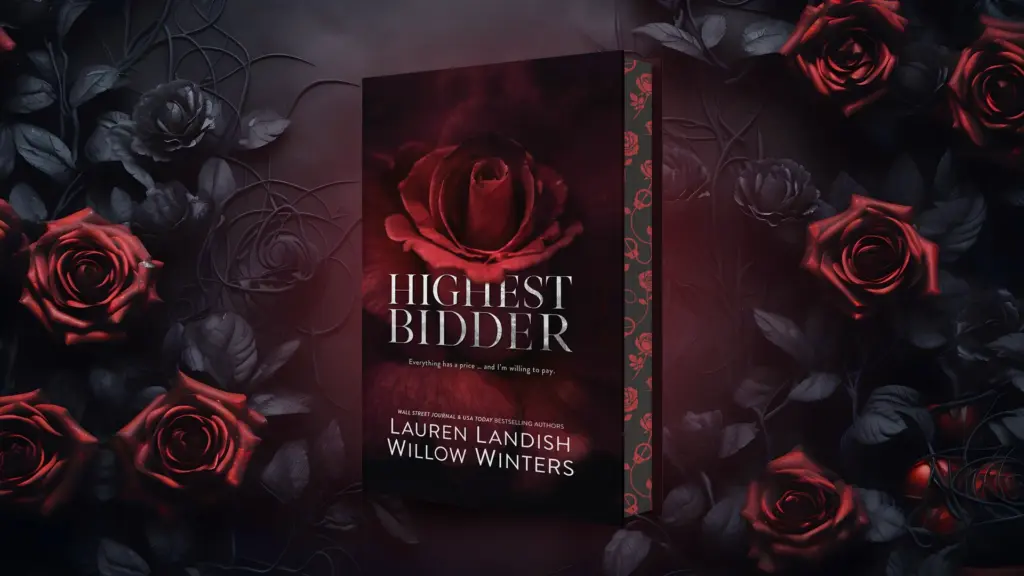
That collector instinct is real in romance. Book Riot often covers how readers build habits around editions, series, and shelf appeal, and that tracks with what I see in romance fandom.
A beautiful hardback can make a book feel more personal, especially when the reader already trusts the author's style.
There's also a practical side.
A special edition often feels like proof that the story mattered enough to keep. For dedicated fans, that's the whole point.
They are not just buying paper and ink, they are buying a version of the reading experience they want to keep close.
Series create loyalty because they reward readers who like a familiar emotional promise.
If I enjoyed one book, I want the next one to give me the same kind of spark, even if the couple changes.
That's especially true when the author keeps a reliable tone, clear trope setup, and a strong romantic payoff.
Lauren Landish's books fit that pattern well. Trope readers often come back when they know what kind of feeling a series delivers, whether that's forbidden attraction, possessive chemistry, or a grumpy hero who softens over time.
Once that trust is there, the next book feels less like a risk and more like a sure thing.
Readers rarely stay loyal to a series just because the books are connected. They stay because the emotional promise feels consistent.
That consistency is one of the main reasons readers stick with romance authors. Romance.io does a good job of showing how trope tags help readers sort books by mood and dynamic, which is exactly how many of us shop.
If an author keeps delivering the same kind of emotional payoff, readers remember.
A few things strengthen that loyalty fast:
I think that's why trope readers notice Lauren Landish so quickly. Her books fit the categories they already know, but they still feel like they have momentum, heat, and a clear romantic target.
For readers who want the same emotional promise across multiple books, that combination is hard to ignore.
When I pick my next romance, I don't start with the cover. I start with the feeling I'm after, then I narrow the romance tropes from there.
That keeps me from grabbing a book that looks fun but lands all wrong for my mood.
I also pay attention to how much tension I want, because not every trope hits the same way. Some are light and playful, some are sharp and messy, and some are pure slow-burn pressure.
The trick is matching the trope to the reading mood, not just the hype around it.
If I want comfort, I usually reach for a trope that feels warm and familiar, like friends to lovers or grumpy and sunshine.
If I want more drama, I go for enemies to lovers or second chance romance. The same trope can still surprise me, but the emotional tone is usually clear from the start.
I ask myself a simple question before I pick: do I want comfort, angst, laughter, heat, or a slow burn?
That one check saves me from mood mismatch more often than anything else. If I want a book that feels like a blanket, I don't pick the one that promises emotional wreckage.
A few mood matches I trust:
Workplace romance is a top choice for those wanting professional tension.
For a magical twist, paranormal romance or romantasy often deliver comfort with soul mates or other familiar dynamics.
That mood-first approach lines up with how romance readers actually shop. Mecca Romance's mood quiz and Sort By Cravings both show the same thing, readers want a fast way to match a book to how they feel right now.
Once I know the mood, I look at the conflict. Some tropes are playful and low-stress, while others carry heavier emotional weight.
That matters because I don't always want the same level of drama, even if I want the same general trope.
Fake dating can feel breezy and funny, especially when the tension comes from awkward public moments.
Second chance romance often hits harder, because the characters already have history, regret, and that nostalgic pull.
Enemies to lovers or love triangle can sit anywhere on the scale, depending on whether the conflict is witty, personal, or truly painful.
That range is why trope tags help so much. Romance.io is useful here because it lets readers sort by trope, heat, and character dynamic, which makes the emotional load easier to predict.
I also like that Darling Reader's romance quiz asks about mood and spice together, since those two things usually travel as a pair.
If I only want something light, I avoid tropes built on long grudges, secrets, or high-stakes betrayal. If I want a story that makes me feel a little wrecked in the best way, I go straight for those.
I use trope lists like a menu, not a contract. They help me narrow the field fast, but they should never flatten the surprise out of reading. Part of the fun is still discovering how a writer twists a familiar setup.
That is why I don't treat trope labels as the whole story. I let them guide me, then I leave room for an author to pull the emotional rug out from under me in a good way.
A romance book can have the trope I wanted and still feel fresh if the characters have real chemistry and the writing has a pulse.
Tropes help me choose faster, but the book still has to earn my attention on the page.
I like that balance. Tropes give me the shortcut, but the best reads still feel like a small surprise I didn't fully plan for.
That is usually the sweet spot, a book that gives me the exact trope I wanted, then adds one more layer I didn't know I needed.
When I talk about romance tropes, the same questions come up again and again. That makes sense, because tropes are simple on the surface, but they shape the whole reading experience.
I've pulled together the questions readers ask most often, plus the clearest answers I can give. If you're still sorting out how tropes work, this is the part that usually clears the fog.

I think of a genre as the big category, romance, mystery, fantasy, and so on. A trope is the recurring story pattern inside that category, like fake dating or enemies to lovers.
An archetype is a character type or familiar role, like the protector, the cynic, secret identity (a common way to build intrigue around a character), or the golden retriever love interest.
Those pieces overlap, but they do different jobs. A romance novel can be the genre, enemies to lovers can be the trope, and the guarded billionaire can be the archetype.
Once you separate them, the whole conversation gets easier to follow.
The New York Times has a helpful romance glossary that shows just how many of these terms readers use to sort books.
That kind of vocabulary matters because it helps me spot what kind of story I'm really getting before I start reading.
There is no fixed number, and that is part of the fun. New variations show up all the time, especially when readers start blending familiar setups into something sharper or more specific.
Some of the most common romance tropes are:
I also see newer or more specific sub-tropes appear often, especially in reader lists and recommendation threads. Romance.io's trope tags and Romance Tropes List are useful here because they show how messy and layered these categories can get in real reading life.
That's the point, tropes are flexible, not locked in a box.
I like romance tropes because they give me a promise. I know I'll get tension, emotional movement, and usually a payoff that feels earned.
That familiarity is comforting, but it also makes the book easier to choose when I'm in the mood for a certain kind of story.
Psychology Today has written about the appeal of romance as part fantasy, part emotional reward, and that fits here.
Tropes give readers the emotional shape they're looking for without making them work too hard to figure out the setup.
Book Riot also points out that readers often return to tropes because they want a reliable emotional experience, not because they want the exact same book over and over.
That is the sweet spot. I want recognition, then surprise.
Yes, but usually the problem is the execution, not the trope itself.
I can still enjoy a popular setup if the characters feel real and the conflict has emotional weight. What wears thin is lazy writing, cardboard chemistry, or a story that relies on the trope label alone.
The Writer's Market style advice you'll see across fiction resources is pretty consistent here, use the trope as the structure, not the whole story. I agree with that.
A trope starts the engine, but the writer still has to drive.
A trope gets old when it stops doing emotional work.
That's why I don't quit on a trope just because I've seen it before.
I look at how the author handles pacing, voice, and character tension first.
Not at all. A trope is a repeated pattern that readers recognize. A cliché is a trope that feels flat, tired, or copied without any spark.
That difference matters because readers often say they want "something new," when what they really want is a familiar setup handled with more care.
A fake relationship story can feel fresh. An enemies to lovers romance can still sting in the best way. The trope isn't the issue, the weak version of it is.
I use that line as a quick test. If the story feels predictable in a dull way, it's probably sliding into cliché.
If I can see the pattern but still feel tension, then the trope is doing its job.
I start with the feeling I want, not the book I think I should read. If I want comfort, I look for friends to lovers or second chance romance.
If I want friction and banter, I go straight to enemies to lovers, fake relationship, or only one bed, a specific scenario-based trope. If I want a slow build, I reach for forced proximity or workplace romance.
That's also why trope tags matter so much on reader sites and book lists.
They help me find the emotional flavor I'm after without wasting time.
A good trope match feels like walking into the right room on the first try.
I usually ask myself three quick questions:
Once I answer those, the right trope usually picks itself.
I treat tropes like a reading compass. They help me decide what to pick up, what to skip, and what kind of payoff to expect.
If I know I'm in a low-stress mood, I'll choose a trope that leans warm and familiar. If I want higher stakes, I'll choose one with more tension baked in.
That approach saves me from mood mismatch, which is one of the fastest ways to ruin a good reading night. Tropes are not the whole story, but they are one of the fastest ways to find the right one.
If you want to go one step further, you can also explore books with specific tropes and see how the same pattern feels different across authors.
That's often where the real learning happens, because the label stays the same, but the emotion changes.
Romance tropes work because they give me a clear promise, a built-in conflict, and a payoff that feels earned.
That is the heart of the romance genre, and it is why I can open a book already knowing the emotional shape I want, then still be surprised by how it lands.
The smartest insight from the craft side keeps pointing to the same thing. LitHub, Dabble, AutoCrit, the Institute for Writers, and Shondaland all treat tropes as a framework, not a shortcut, which is exactly how I read them too.
The trope sets the stage, but the characters, voice, and emotional truth do the real work.
That is why romance tropes are so useful for writers and so easy for readers to love.
They help shape emotion, guide expectations, and lead to a satisfying happily ever after, which is a big part of what makes romance addictive in the first place.
Romance tropes are the bridge to that happily ever after.
If I want more of that same energy, I know where to look, starting with the Lauren Landish romance collection for books that know exactly how to deliver comfort, tension, and payoff in one place.